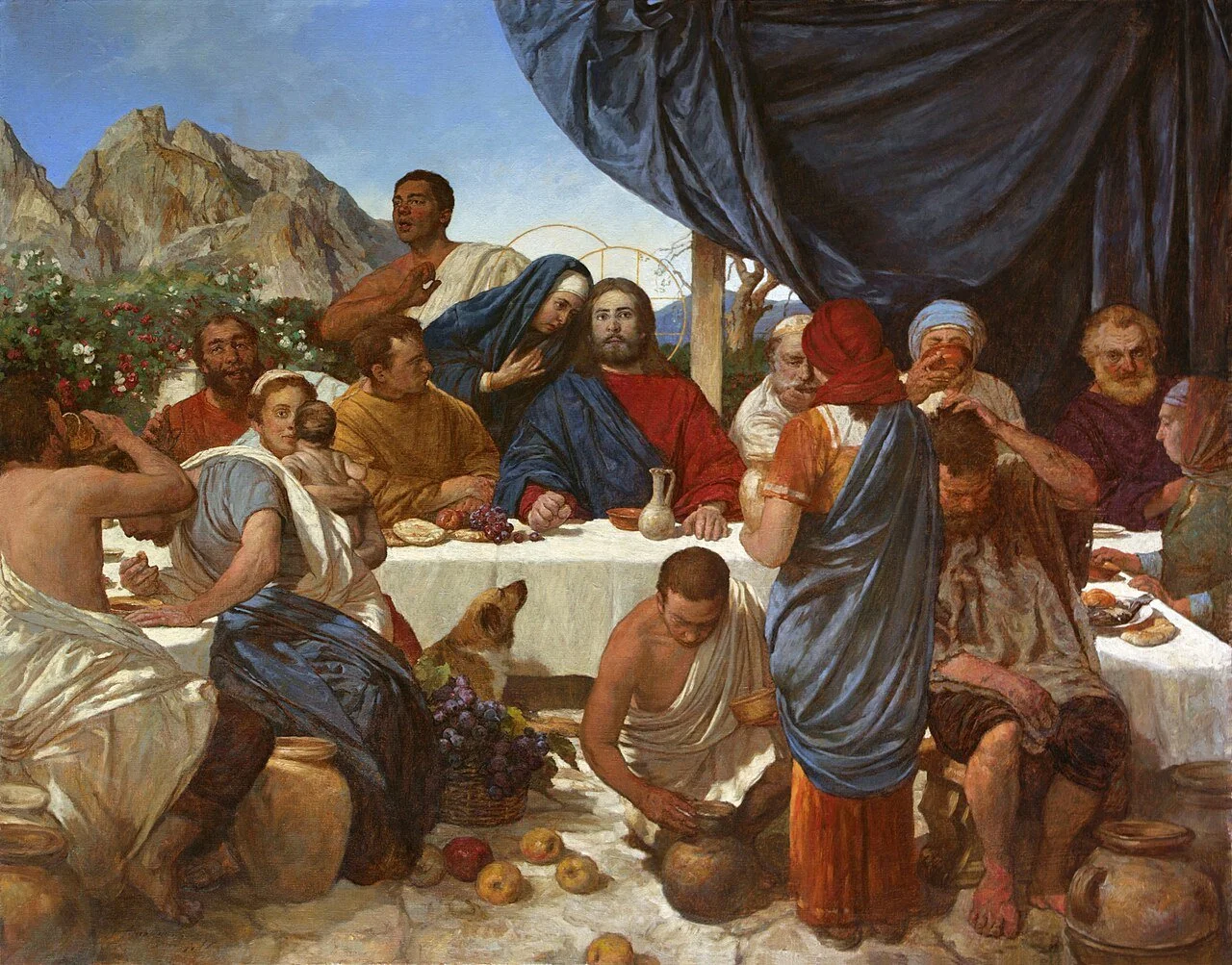
When Jesus Changed Water Into Wine
Андрей Николаевич Миронов (A.N. Mironov), CC BY-SA 4.0, via Wikimedia Commons
Miraculous Signs
People throughout the world are intrigued by illusions, magic tricks, and sleight-of-hand artists. It's not just because they're clever and entertaining, but something inside us wants to see something supernatural.
When Jesus worked miracles in the Bible, they weren't illusions or magic, nor were they for entertainment. His miracles were bona fide supernatural events with a purpose.
They affirmed the supernatural and divine nature of Jesus as God's Son (John 1:1, 14), as the Savior of the world (John 3:16). Jesus' miracles also confirmed His message and mission while on earth.
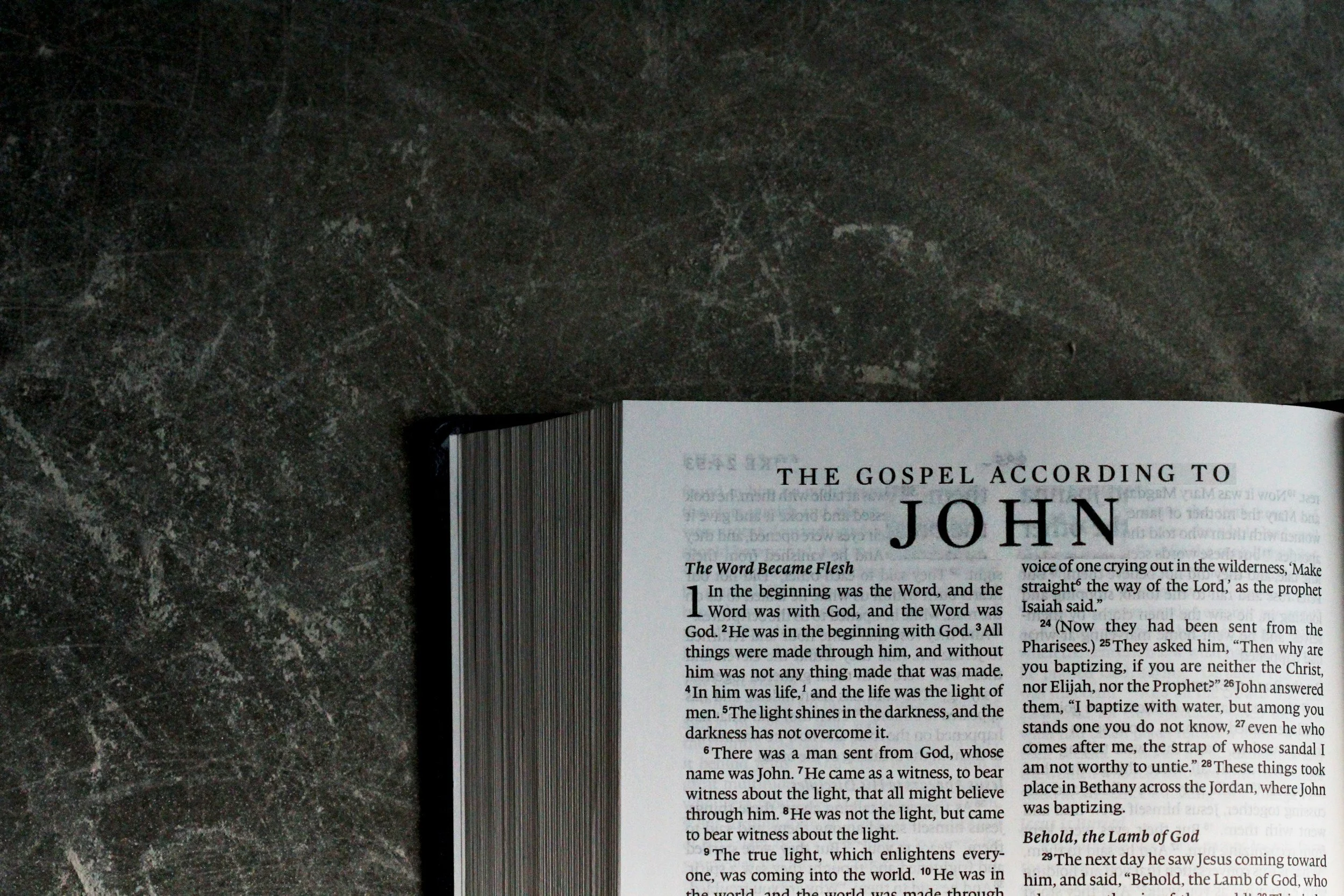
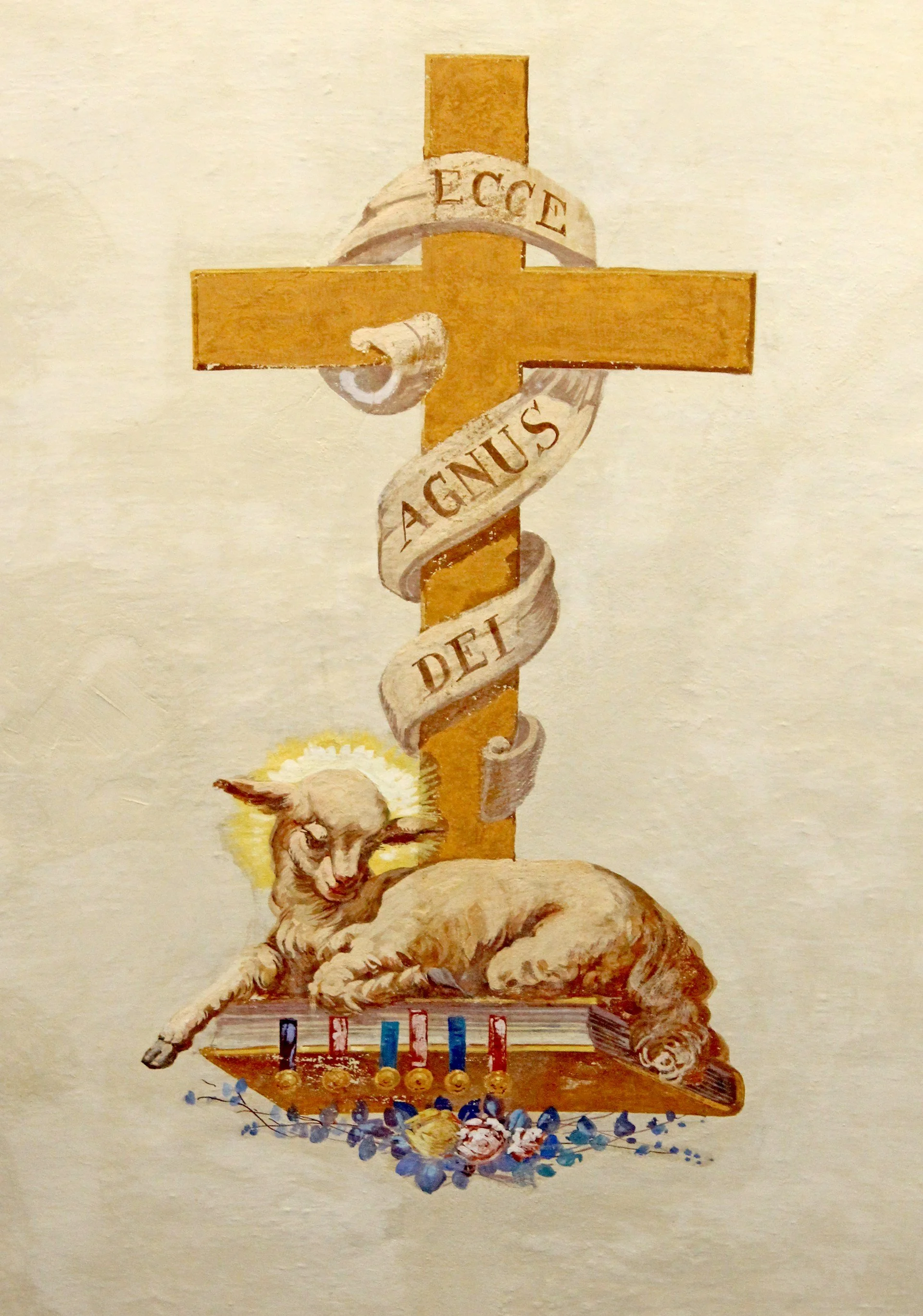
Each of the miracles in the Gospel of John is a sign in the truest sense. They illustrated some element of the Lord’s purpose for coming on earth. They pointed to why He came to earth as the Son of Man—the Son of God, the Word made flesh, and the Lamb of God.
Scripture
Three days later a wedding took place in the city of Cana in Galilee. Jesus’ mother was there. Jesus and his disciples had been invited too.
When the wine was gone, Jesus’ mother said to him, “They’re out of wine.” Jesus said to her, “Why did you come to me? My time has not yet come.” [vss 1-4]
His mother told the servers, “Do whatever he tells you.” Six stone water jars were there. They were used for Jewish purification rituals. Each jar held 18 to 27 gallons.
Jesus told the servers, “Fill the jars with water.” The servers filled the jars to the brim. Jesus said to them, “Pour some, and take it to the person in charge.” The servers did as they were told. [vss 5-8]
The person in charge tasted the water that had become wine. He didn’t know where it had come from, although the servers who had poured the water knew. The person in charge called the groom and said to him, “Everyone serves the best wine first. When people are drunk, the host serves cheap wine. But you have saved the best wine for now.”
Cana in Galilee was the place where Jesus began to perform miracles. He made his glory public there, and his disciples believed in him. [vss 9-11]
(John 2:1-11 GW) [Context– John 2]
Key phrase—
He made his glory public there, and his disciples believed in him.
Reflections...
This miraculous sign of the water turned into wine comes early in Jesus’ time on earth and is never repeated. It is prophetic. It looks ahead to the purpose of the Lord’s death on the cross. This is indicated by His response to His mother, “My time has not yet come.”
But why did Jesus change the water into wine? Was He approving of and promoting drunkenness? Of course not! The purpose is revealed in the story.
Jesus would say His time had “not yet come” seven more times after this in John’s Gospel. He would say His time “had come” during the last night He was with them. This was when He washed their feet (John 13:1) and shared His final instructions with them.
Jesus had the servants at the wedding fill up jars used for Jewish purification rituals—a ceremonial washing of hands. After the jars were filled to the brim, the water was changed into wine and brought to whom we would call the master of ceremonies.
The master of the feast reveals that the water the servants filled the jars with was transformed into wine. This first miracle in John’s gospel revealed the Lord’s glory and revealed who He was and His mission as the Messiah, the Savior of the world.
The Law of Moses provided a limited means of forgiveness and reconciliation that needed to be repeated each year on the Day of Atonement (Leviticus 23:26-32). Jesus’ death and resurrection—what we call atonement theologically—provided a permanent means of forgiveness and reconciliation between God and those who trust in Him (Hebrews 7:19; 9:9-12).
Digging Deeper...
What stands out to you about this story? Are you able to imagine how it all took place?
What does Jesus' mother say to Jesus? Why do you think she would say this to Him?
Does Jesus' response to His mother seem rude or unrelated to what she says to Him?
Can you imagine the surprise of the servers who brought the water converted to wine, and the man in charge? What do you think your reaction would be?
Taking it to heart...
Do you still wonder why this miracle is included in the Gospel of John?
Do you find it difficult to understand what is figurative and what is literal in the Bible?
Can you see the redemptive illustration and insight of this miracle?
How is this miracle or story relevant for you today?
Personalize it...
The miraculous sign in this story declares how the internal work of the Lord’s redemption through His blood shed on the cross far exceeds any external religious efforts of humanity.
Ask the Lord for further insight into how His redemptive work frees you from any religious effort on your part to gain His favor and love, and to receive eternal salvation.