
The Jesus Diet—the Food Jesus Desired
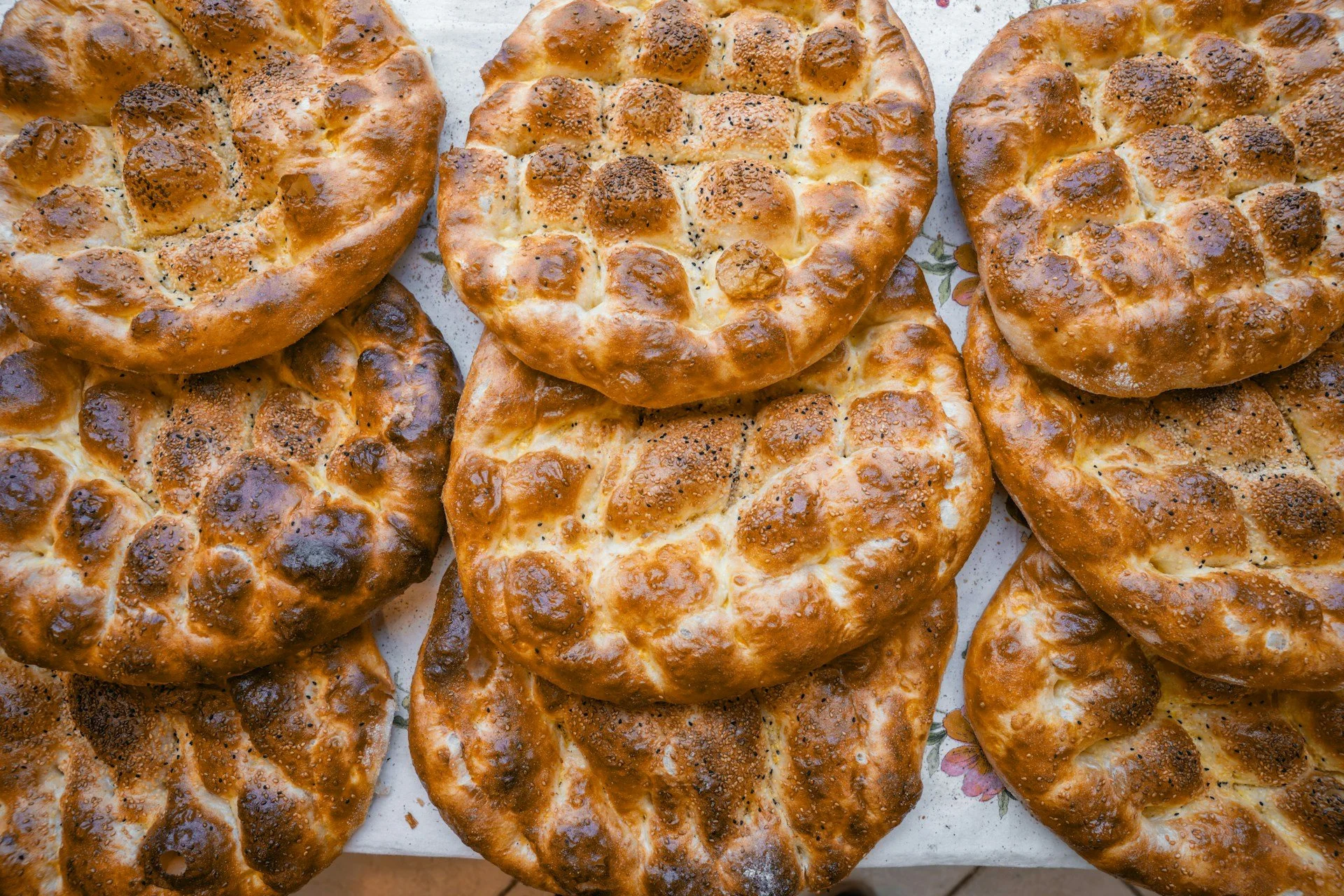
Photo by Yasin Onus on Unsplash
A Clash of Priorities
Are you searching for the perfect diet? Americans spend inordinate amounts of money on special diets, supplements, and exercise regimens. It’s a cultural obsession. One of many.
When Jesus walked the earth, most people’s diets were simple. This included the disciples. Still, they often seemed focused on food, bread especially. In those days, bread was a staple, just as it remains for many people today. While Jesus rested at Jacob’s Well, the disciples went into the city to buy bread.
This part of the story of Jesus in Samaria begins with an awkward social situation. A Samaritan woman who comes to draw water from an ancient well leaves without it (see verse 28) after talking with Jesus. The sight of Jesus speaking to this woman is unsettling for His disciples. It was socially unacceptable (see John 4:9) for Jewish men to interact with Samaritans. I wrote about this previously.
The disciples return from their food shopping excursion in town and try to convince Jesus to eat, but to no avail. His reason for not eating their food left the disciples even more puzzled than the awkward social encounter of Jesus talking with the Samaritan woman.
I want to look at what could be called the Jesus diet. It has nothing to do with eating food or exercising. In this instance, Jesus spoke metaphorically about food. The food He desired was different than what the disciples had in mind. By this, Jesus revealed the focus of His life—His life's priority.
Scripture
At that time his disciples returned. They were surprised that he was talking to a woman. But none of them asked him, “What do you want from her?” or “Why are you talking to her?”
Then the woman left her water jar and went back into the city. She told the people, “Come with me, and meet a man who told me everything I’ve ever done. Could he be the Messiah?” The people left the city and went to meet Jesus. [vss 27-30]
Meanwhile, the disciples were urging him, “Rabbi, have something to eat.” Jesus told them, “I have food to eat that you don’t know about.” The disciples asked each other, “Did someone bring him something to eat?”
Jesus told them, “My food is to do what the one who sent me wants me to do and to finish the work he has given me.” [vss 31-34]
(John 4:27-34 GW) [Context– John 4]
Key phrase—
My food is to do what the one who sent me wants me to do.
Reflections...
The disciples often found it difficult to understand what Jesus said, and His explanations didn’t always clear up their lack of understanding. Most of us have similar difficulties today. Why? Because we, as they were, are restricted by our own personal perceptions.
The primary food of Jesus—His diet—was whatever the Father asked of Him. It was to do the Father’s will until it was finished. His ultimate work was redemption for all humanity on the cross. Jesus explained what He meant by doing the work of the Father in the rest of the story.
But for now, think about what your daily life priorities are. Is it more like the food of Jesus or the concern of the disciples? What is your life’s highest purpose? Are you more concerned with God’s will or your own?
I realize these are big questions, but they’re important to consider. You may feel like your life priorities are not as important as those of Jesus or His disciples, but they don’t need to be. The issue is what we see as priorities in our lives.
When our priorities in life are centered around us, they are selfish and limited. When our priority is God’s priority, His will for our lives, we’ll be free from the worry of what we’ll eat or drink or wear. God’s already promised to take care of those needs (see Matthew 6:31-34).
In the rest of the story, we’ll see more of what Jesus was talking about later. But for now, consider your life’s priorities now. Who and what do your life’s priorities revolve around—you, others, or God? Are your priorities limited to this life and this world, or beyond?
Digging Deeper...
What is the reaction of the disciples to Jesus speaking with the Samaritan woman?
What did they seem to want to ask Jesus but didn’t? Why do you think they didn’t?
What is the primary concern of the disciples, and how is this obvious?
How does Jesus respond to the disciples’ urging Him to eat something?
Taking it to heart...
How does this story show the Samaritan woman as more spiritually perceptive than the disciples of Jesus?
Have you struggled to understand God’s will for your life?
Why do you think it’s hard to see what God is doing in our life each day?
How do you provide time each day to seek the Lord’s direction for your life?
Personalize it...
Jesus was clear about what His Father’s will was for His life. The disciples made their own priorities (physical food) important and tried to impose that upon the Lord. But the woman at the well seems more connected to what mattered to Jesus than the disciples.
In your times of prayer, ask the Lord to help you see how you are displacing God’s priorities in your life with what matters most to you. Then ask Him to help you see how to put His will above your own in daily life.