
Becoming Believers
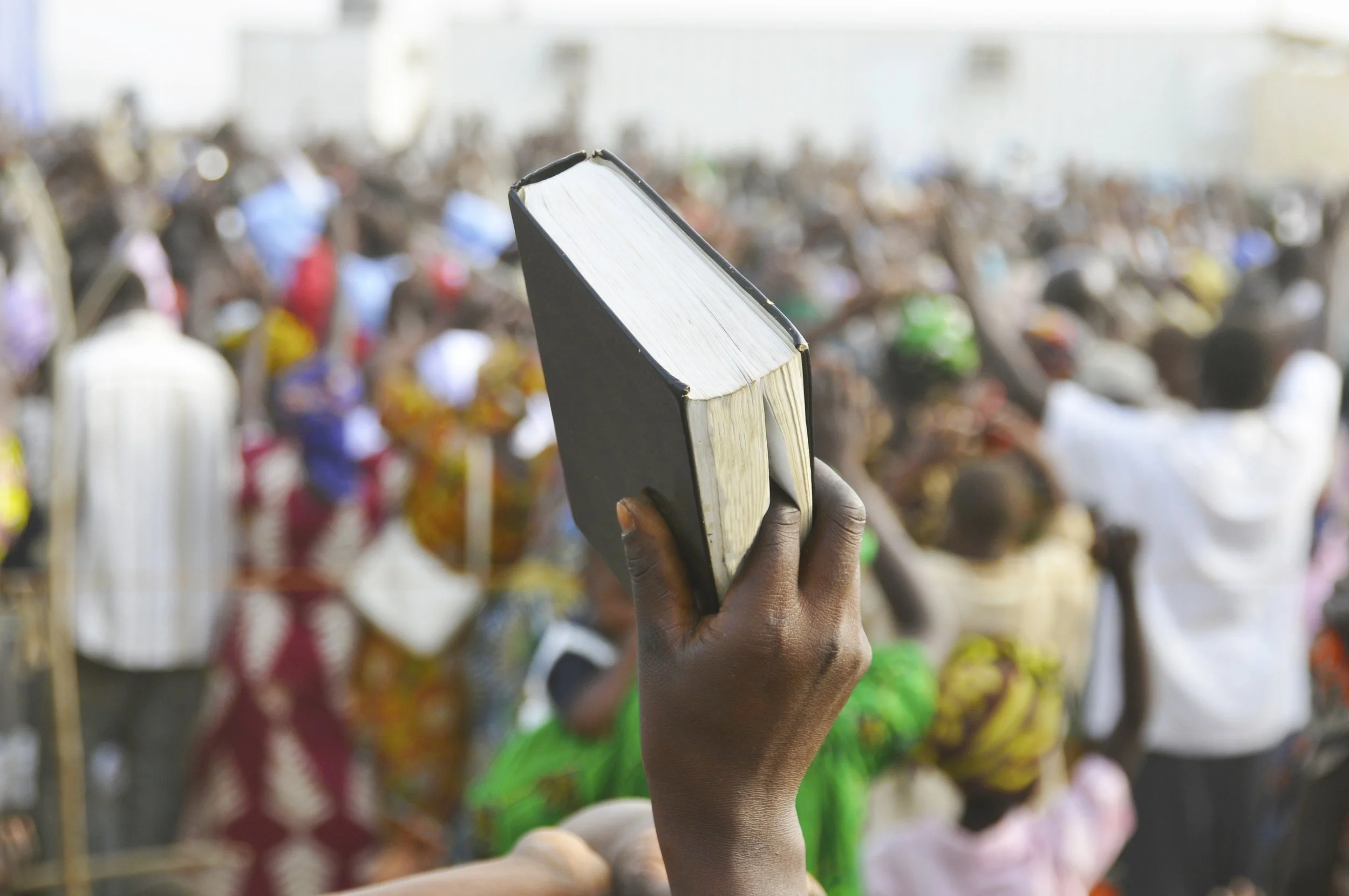
Photo by @PhotoGranary on Lightstock.com
Faith to become a believer
What does it take for a person to become a believer in God? Is it a certain understanding? How is a spark of faith ignited in a person’s heart?
Those were questions I had before I knew the Lord personally, and I know many people have these same questions and more. I don’t know of only one specific answer, but I know what the Bible says and my personal experience for those questions.
If you asked a hundred different people how they came to believe, you would get a hundred different answers. Not because the truth is subjective, but because how each person comes to faith varies.
There are testimonies of people having visions of Jesus or angels, or dreams where God speaks to them. In Acts 10, we see that the Roman centurion, Cornelius, has a very specific vision. God or an angel spoke to Joseph and Mary, and an angel appeared to Zachariah, John the Baptizer’s father.
But most of us haven’t had those kinds of experiences. I know I didn’t. If you ask a theologian, they may give you one specific answer. But if you ask several different theologians and philosophers, you’ll probably get various answers.
This story at the end of Chapter 4 of John tells of a second miraculous sign Jesus did in Cana of Galilee, where He turned water into wine. This time, a little boy is healed, and his father becomes a believer.
Scripture
After spending two days in Samaria, Jesus left for Galilee. Jesus had said that a prophet is not honored in his own country. But when Jesus arrived in Galilee, the people of Galilee welcomed him. They had seen everything he had done at the festival in Jerusalem, since they, too, had attended the festival. [vss 43-45]
Jesus returned to the city of Cana in Galilee, where he had changed water into wine. A government official was in Cana. His son was sick in Capernaum. The official heard that Jesus had returned from Judea to Galilee. So he went to Jesus and asked him to go to Capernaum with him to heal his son who was about to die.
Jesus told the official, “If people don’t see miracles and amazing things, they won’t believe.” The official said to him, “Sir, come with me before my little boy dies.” Jesus told him, “Go home. Your son will live.” The man believed what Jesus told him and left. [vss 46-50]
While the official was on his way to Capernaum, his servants met him and told him that his boy was alive. The official asked them at what time his son got better. His servants told him, “The fever left him yesterday evening at seven o’clock.”
Then the boy’s father realized that it was the same time that Jesus had told him, “Your son will live.” So the official and his entire family became believers. This was the second miracle that Jesus performed after he had come back from Judea to Galilee. [vss 51-54]
(John 4:43-54 GW) [Context– John 4]
Key phrase—
The man believed what Jesus told him.
Reflections...
Believing in God is personal. It’s neither logical nor illogical. Belief is not the result of some spiritual dynamic or impersonal force—it’s a matter of trust. The Bible says we are “saved by grace … through faith” (see Ephesians 2:5, 8). We put our trust in God by faith, and we experience His forgiveness and acceptance by His grace extended to us.
The story of this father’s request of Jesus includes insights into the spiritual climate of that time. As Jesus said, “If people don’t see miracles … they won’t believe.” This father—a government official—was an exception.
He believed Jesus could and would heal his young son. He personally trusted Jesus to do this. How can we know this? When Jesus told him his son would recover, the man believed Jesus. Another Bible version says, “The man took Jesus at his word.”
Later, as the man traveled back home, his servants brought news of the boy’s recovery and when it happened. Realizing the power of Jesus’ word of assurance, he and his family became believers. They put their trust in Jesus.
Although we’re not told this in the Bible text, the man and his family are representative of what the Bible refers to as “the remnant”—those who are faithful to God. These would be the Jewish people who put their faith in Jesus as their Messiah, even as we see with the disciples and those who would put their faith in Jesus later (see Acts 2).
Digging Deeper...
Where do Jesus and the disciples travel after being in Samaria?
Who comes to Jesus, and what does he ask of the Lord?
What does Jesus say to this father the first time? How does the father plead with Jesus for his son?
What does Jesus tell him, and how does the father respond?
Taking it to heart...
Why do you think Jesus says people won’t believe unless they see miracles?
How is it clear this government official was trusting in Jesus rather than looking for a miracle?
When did the man know that his son was healed by Jesus, and how did it change his life?
If you’re a believer, when did you become a believer, and what was your turning point?
Personalize it...
Faith—believing and trusting in God—is personal. It’s neither logical nor illogical, nor the result of some spiritual dynamic or impersonal force; it’s a matter of trust. When you are willing to take Jesus at His word, then faith becomes personal and genuine.
Choose to interact with the Lord in a personal way when you pray. Start by being thankful and reflecting on God’s faithfulness. Pray from your heart as a child who trusts in her parents. Trust is the key to authenticity as a believer in God.