The Importance of a Solid Foundation
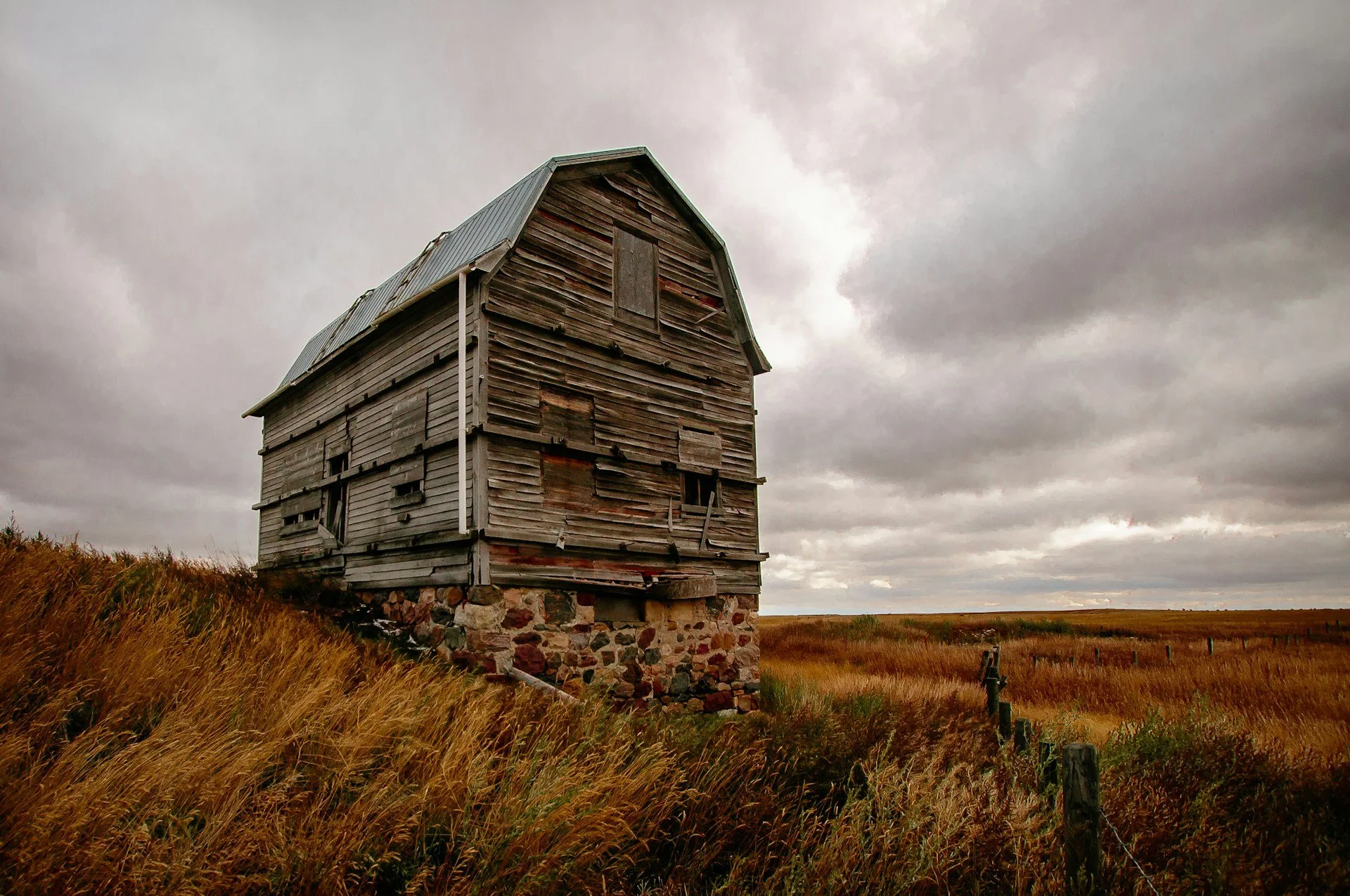
Photo by David Thielen on Unsplash
“Everyone then who hears these words of mine and does them will be like a wise man who built his house on the rock.” (Matthew 7:24 NIV84) [see full text in button/link below]
Is life unfair?
Do you think life is unfair? Countless children have uttered the exclamation, “It’s not fair!” when denied what they want. But this sentiment about unfairness in life doesn’t stop at childhood. It’s common for many people. Here are a few quotes that show this—
Life is unfair. And it’s not fair that life is unfair. (Edward Abbey)
It is the fairness of life that makes it seem unfair. (Gugu Mona)
Baseball is a lot like life. The line drives are caught; the squibbles go for base hits. It’s an unfair game. (Rod Kanehl)
Life is unfair but remember sometimes it is unfair in your favor. (Peter Ustinov)
If life is unfair with everyone, doesn’t that make life fair? (Thabang Gideon Magaola)
We all experience some sense of unfairness during the course of life. We plan to spend the day at the beach or hiking with the family, but then it rains most of the day. Perhaps we save money towards opening a business or a plan to retire, and the economy crashes. Or, we plan a fun vacation and a pandemic breaks out!
The truth of the matter is this—not everything in life goes our way or makes sense. The wise King Solomon, the author of many wise proverbs, lamented the apparent unfairness of life in Ecclesiastes (see Ecclesiastes 1:12-14).
But is life really unfair? Terrible injustices do take place every day throughout the world. And yet, some people who seem to have an easy life with plenty of wealth and resources are never content. Others endure severe hardships and tragedies, yet learn to be content in their lives.
We don’t all react the same to what seems to be an unfairness in life. On one hand, some people have what appears to be a positive outlook on life and make the best of whatever comes their way. But of course, not everyone is that way.
Here’s what Jesus told us about all of this in a general sense—
In this way you show that you are children of your Father in heaven. He makes his sun rise on people whether they are good or evil. He lets rain fall on them whether they are just or unjust. (Matthew 5:45 GW)
Since the sun rises on the evil and good, and rain falls on the just and unjust, we have a choice of how we respond to all that takes place in life. But there’s a way to be prepared for whatever life seems to throw at us. Jesus tells a short parable at the end of the Sermon on the Mount that instructs us how.
Insights
This parabolic illustration of the two house builders sums up the teaching on true wisdom. This is the fourth and final warning given by Jesus at the end of His Sermon on the Mount. We also find this parable in the Gospel of Luke (see Luke 6:46-49).
The primary truth is the same, but it’s expressed with different wording in the two gospels. Matthew wrote his gospel account for the Jewish mindset, but Luke wrote his account with the Greek or Gentile reader in mind.
The third warning of Jesus (see Matthew 7:21-23) that precedes this story of the wise and foolish builders is summarized in one verse in Luke and leads directly to this parable of the wise and foolish builders—
“Why do you call me, ‘Lord, Lord,’ and do not do what I say? I will show you what he is like who comes to me and hears my words and puts them into practice.” (Luke 6:46-47 NIV 84)
Why are these two warnings linked together so closely?
We’ll look at that later, but let’s go back to the story itself for now. There are two builders, one considered wise and the other foolish. What separates them is how they built their houses. More specifically, it’s how they began to build their houses.
The wise man built his house on a rock, or as told in Luke, “…dug down deep and laid the foundation on rock.” In today’s modern construction, a “rock foundation” is manufactured with concrete footings. If the building site is not on stable ground, the builder needs to dig deeper to find a firmer base and use deeper and larger footings for the house to rest on.
The foolish man built his house on sand or on top of the ground. In areas where people are poor, often building on land they don’t own, they have no solid foundation because concrete is expensive or the landowner won’t allow them to build a permanent structure.
We saw this a lot in the Philippines, where baguios (strong rainstorms) are common, as are typhoons, which we call hurricanes in the Western Hemisphere. Many typhoons hit the Philippine archipelago every year. Just as with hurricanes, the strength of the storms varies, and where they hit is often difficult to predict.
We landed in Manila in late June 1990 when a storm came through the island of Luzon. The streets of this capital city were flooded all over, so this was a baptism of sorts for us. That same year, we experienced the edge of a super-typhoon in our area, which was unusual. It knocked out our power for a few days and caused flooding in our city, but this was slight compared to the destruction in other areas. Along mountain streams and further downstream, thousands were homeless because of flooding. Their nipa (thatched roof) huts did not have cement foundations and could not withstand the power of torrential rains and ensuing floods.
Of course, many people outside of the Philippines ask, “Why don’t they build their houses better and away from these rivers?” The simple answer is poverty. Many people live as squatters who pay rent to “landlords” but have no right to build permanent structures. I traveled throughout the Philippines, so I know this is a common problem. Because we owned the land where our two ministries operated, we could build with solid foundations, and we did. When storms came, our houses and buildings remained standing. I’ve seen the truth of this parable in real life in both a physical and spiritual way.
The weather conditions are the same, with a storm bringing rain, wind, and flooding. But the outcomes are very different. It’s easy to see this story as an illustration of two different people facing the storms life brings upon all of us. This simple and practical application transcends time and culture.
True Wisdom
Why we need a solid foundation. All three warnings in the second half of Matthew 7 lead and build up to this final and fourth warning. Why? It’s an indictment of the Pharisees and other Jewish leaders for their empty religious practices. Luke’s gospel also makes this clear—
“Why do you call me, ‘Lord, Lord,’ and do not do what I say?” (Luke 6:46)
Jesus says it’s not enough to hear and know the truth. A true believer needs to put the truth into practice daily. Jesus emphasized this after He washed the disciples’ feet and exhorted them to do the same.
Now that I, your Lord and Teacher, have washed your feet, you also should wash one another’s feet. I have set you an example….
Now that you know these things, you will be blessed if you do them. (John 13:14-15, 17)
James and John tell us this as well. We are not only to hear and speak the truth; we need to become doers of the truth (see James 1:22-25; 1 John 3:18). This is the challenging part of the Christian faith—to practice what we preach. Or, as the popular saying goes, “You need to walk the walk, not just talk the talk.”
Before His arrest and crucifixion, Jesus gave a stinging rebuke to the Pharisees and teachers of the Law. In Matthew 23, Jesus pronounces seven woes against their self-righteous example that equates to—do as we say, not as we do (see Matthew 23:13-32).
But how do we put the truth into practice and “walk the walk”?
I see two ways for us to become like the wise builder. First, we need to have a firm foundation for our lives. We need to build our lives upon Him who is the Word of God (see John 1:1, 14, 18; 14:6). The core of our individual identity needs to be built upon our personal relationship with Jesus. As King David declared—
The Lord is my rock, my fortress and my deliverer; my God is my rock, in whom I take refuge, my shield and the horn of my salvation, my stronghold. (Psalm 18:2)
The apostle Paul echoes the declaration of King David and the parabolic warning of Jesus in his exhortation and warning to the Corinthian believers—
For no one can lay any foundation other than the one already laid, which is Jesus Christ. (1 Corinthians 3:11)
As Jesus told His disciples on the night He was betrayed, we are to abide in Him, and His words are to abide in us so we can bear much fruit for Him (see John 15:3-5). This is the underlying theme of the Sermon on the Mount. The citizens of the Kingdom of God are to reflect the nature of God. This requires us to build on the firm foundation of Jesus as our Lord. He who is the King of Kings (see 1 Timothy 6:13-16; Revelation 19:6).
The second thing we need to do as wise builders is to put the truth of God into practice. But how do we do this? There’s no magic formula nor “10 steps” to follow. It is a daily commitment and a lifelong process. Developing spiritual health is like how we develop and maintain physical health. It’s based on proper nutrition, God’s Word, and regular exercise, putting the truth into practice.
There’s an admonition in the book of Hebrews that may give further insight into how to put the truth into practice—
All those who live on milk lack the experience to talk about what is right. They are still babies.
However, solid food is for mature people, whose minds are trained by practice to know the difference between good and evil. (Hebrews 5:13-14 GW)
Until we are free from these physical bodies on this physical earth and see Jesus face to face, we face a continual onslaught of worldliness designed to undermine our faith in Jesus. We need the firm foundation of our relationship with Jesus to put the truth into practice on a daily basis, and to live each day as a citizen of God’s Kingdom.
Does your life have a firm foundation in the Lord and reflect the nature of Jesus as a citizen of His kingdom?
Reflections for Prayer
We all experience unfairness in life. So, we need the firm foundation of our relationship with Jesus to put the truth into practice on a daily basis and to live each day as a citizen of God’s Kingdom.
When you find yourself overwhelmed by various storms in your life, feeling like they’ll sweep you away, turn to Jesus in prayer. By faith, call out to Jesus to help you stand firm in His word and ask Him for insight and wisdom to live out the truth daily.
This is an excerpt from a recently published book called The Heart and Soul of God’s Kingdom. Look for it on Amazon with my other books— Trip Kimball on Amazon
And you can also see some of my writing over on Substack too! Just click this link– Trip Kimball on Substack