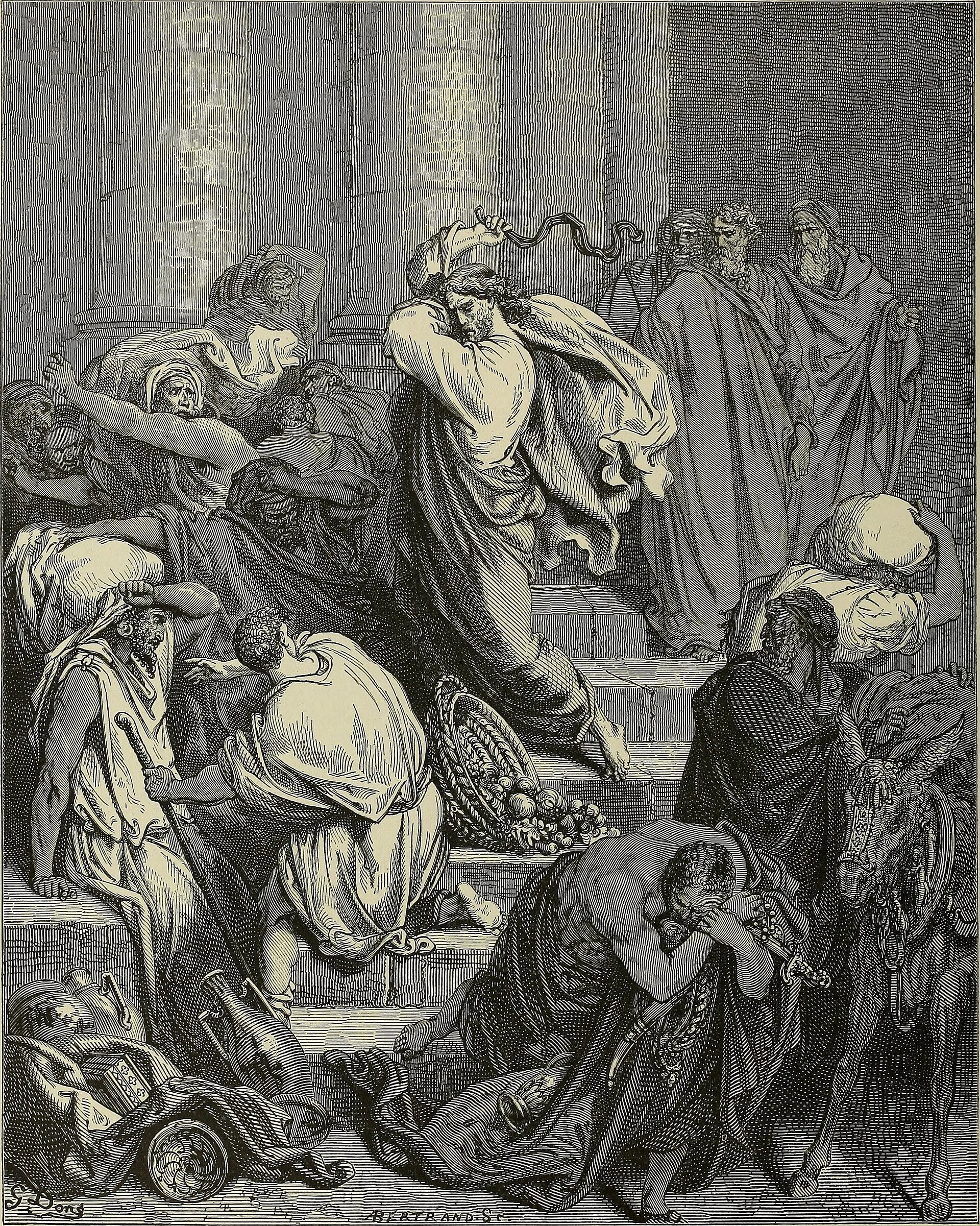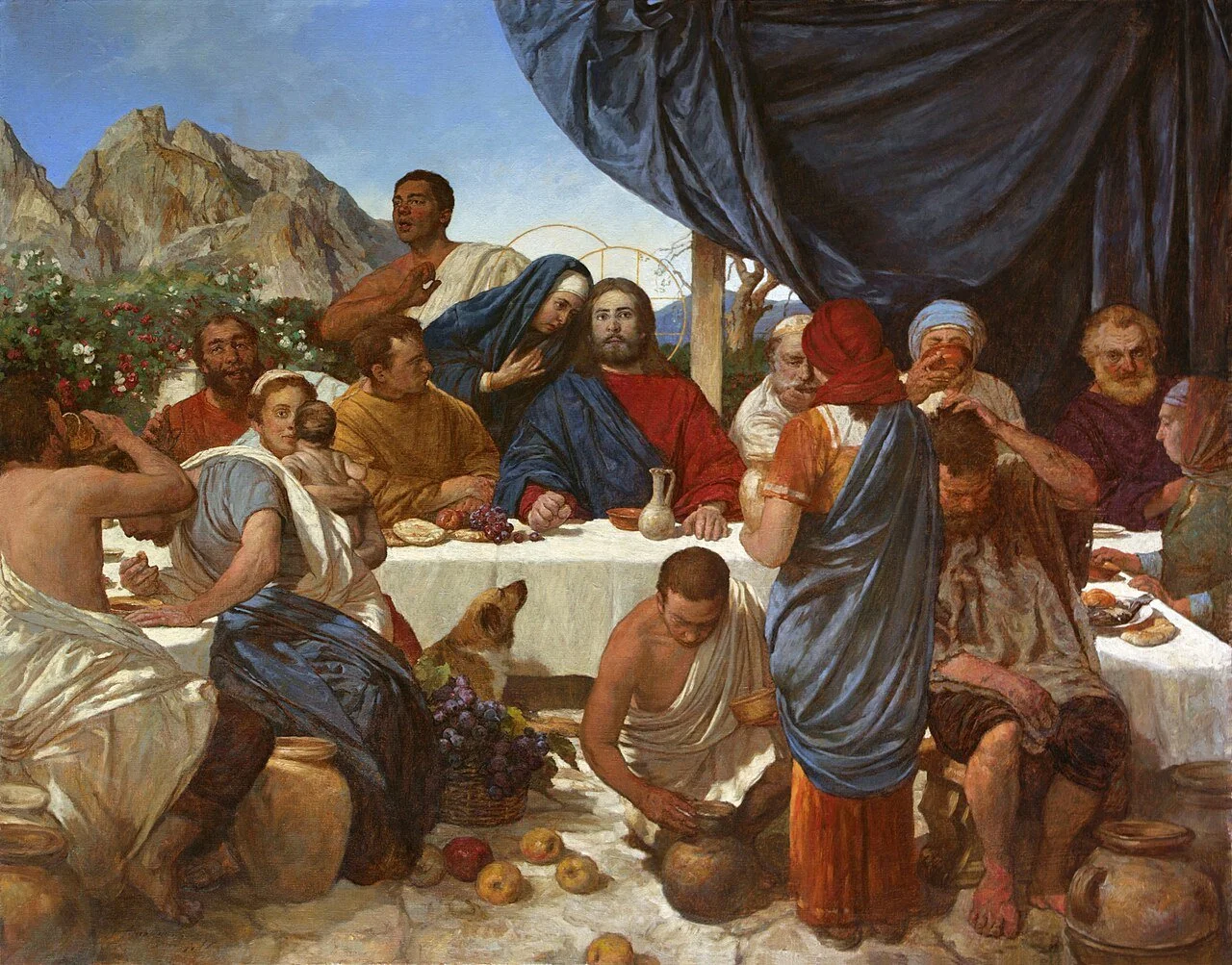


Teaching with Authority
And when Jesus finished these sayings, the crowds were astonished at his teaching,
for he was teaching them as one who had authority, and not as their scribes. (Matt 7:28-29 NIV84) [see full text in button/link below]
More Than a Great Teacher
Jesus is more than a great teacher. Many people have said, “Jesus was a great teacher.” But in saying this, they minimize who Jesus is, as if He were one of many other great teachers. Nothing could be further from the truth.
Jesus was more than a great teacher—He was the Greatest Teacher.
It wasn’t His style or extraordinary oratory skills that made Jesus the greatest teacher. So, why did Jesus stand out as the great teacher He was? Consider the comparison drawn between Jesus and the teachers the people usually heard.[1]
…he was teaching them as one who had authority, and not as their scribes. (Matt 7:29 NIV 84)
But what does this mean?
In the first century, Jewish scribes drew their understanding from previous rabbinical teachings, explanations, and traditions added to the original Law of Moses. As mentioned earlier, these added interpretations and traditions became known as the Talmud, which includes the Gemara and the Mishnah. [2]
In other words, the content of what they taught was not their own but that of previous Jewish leaders. Their authority as teachers was based on their positions in the synagogue and their roles as “experts in the law” (see Matthew 22:35; Luke 10:25; Acts 5:34). Theirs was a borrowed or claimed authority, not their own.
When Jesus taught, it was with the authority of God as the Son of God. It was His own (see John 3:35). The disciples and crowds of people realized Jesus spoke with God’s authority rather than the supposedly expert authority of previous teachers.
Insights
I’ve heard many excellent teachers who taught authoritatively. These teachers were authoritative in their teaching because they understood what they taught and could explain it in a simple and clear way.
I saw this in the man who taught the one and only Greek course I took. He was one of the scholars on the original NIV translation team, so he had an expert academic understanding of the subject. What made him stand out to me was his ability to explain in a simple and clear way what was complex and nuanced.
I remember this professor chiding students about what their motive was for studying Greek. If it was to delve into deeper meanings and develop skills for higher criticism of the New Testament text, then it was misguided. He said our study of Greek grammar and the text ought to help us know Jesus better. That stuck with me all these years. He was a Greek scholar, but a follower of Jesus above all.
I not only learned some Greek grammar from him, but I also observed and learned how to teach more effectively. Since then, I’ve tried to do the same when I teach. Our first pastor put it this way: “Simply teach the Word of God simply.”[3]
I miss his simple exposition of the Bible text. He was a student of the Bible, guided by the Holy Spirit, and he was a genuine teacher who taught with authority. His authority came from the Lord, who called him into a ministry that continues to bear fruit in thousands of believers today.
True Wisdom
True wisdom and true authority. Not only did Jesus teach in an authoritative way; His authority amazed people. He taught what was true because He was and is the truth personified (see John 1:1, 14).
We could say Jesus had an unfair advantage because He was both human and divine in nature. This dual nature was needed so that God’s truth could be expressed, seen, and heard in its fullness.
This is one of the reasons the Sermon on the Mount stands out to so many of us. Jesus explained the truth on a level everyone could understand. He also declared and expounded truth beyond natural human reasoning. The truth of God is only revealed by the Holy Spirit, as Jesus declared to the disciples on His last night with them in the Upper Room (see John 14:16-17, 26; 16:33).
The teaching and authority of Jesus astonished the crowds of people, who were mostly uneducated, needy, and poor. It was in stark contrast to the teaching of the scribes or experts in the Law.
There are a lot of self-proclaimed experts who spout their opinions on many current concerns, issues, and trends. Their expert status is often based more on higher learning at a university and their personal agendas than on life experience and reality.
Jesus presented the Kingdom of God according to God’s design rather than the nationalized version the Jewish leaders envisioned. This is clear in the Beatitudes, as well as in Jesus’ teachings through the metaphors of salt and light.
Jesus reinterpreted the Law back to God’s original intent and in light of the New Covenant to come. The New Covenant Jesus would establish by fulfilling the Old Covenant through His death and resurrection (see Matthew 5:17).
Jesus taught the people what true religion and true faith ought to look like through His teaching, unlike the example and teaching of their self-righteous leaders.
Jesus gave clear instructions on what the true way of life is to be like in God’s Kingdom. Again, the way of life Jesus described was in stark contrast to what the people saw and heard from their religious leaders.
Finally, Jesus spoke of true wisdom outlined in four warnings. All four warnings require wise choices to avoid the pitfalls and consequences of ignoring these warnings.
When you read the words of Jesus, does His authority ring true in your heart?
Of all that Jesus said in the Sermon on the Mount, what resonated with you the most?
Reflections for Prayer
What made Jesus the greatest teacher of all wasn’t His style or His extraordinary oratory skills. Jesus taught with authority in a way that amazed people because He taught the truth as the One who is truth personified.
If you find your heart unmoved by what Jesus said and how He taught, either ask the Lord to renew the authority of His teaching for you in a fresh way, or ask the Lord to reveal the truth and power of what He taught in a new and personal way.
Footnotes–
This verse at the end of Matthew 7 (7:29) is echoed in several places in the gospels (see Mark 1:22; Luke 4:32, 36; John 7:46).
GotQuestions.org. (2022, January 5). GotQuestions.org. https://www.gotquestions.org/Talmud.html
Smith, Chuck. "Sermon Notes for Nehemiah 8:8." Blue Letter Bible. 1 May, 2005. Web. 7 Oct, 2025. <https://www.blueletterbible.org/Comm/smith_chuck/SermonNotes_Neh/Neh_13.cfm>.
My wife and I began our life together as believers under the pastorate of Chuck Smith at Calvary Chapel Costa Mesa. We also began our lives of full-time ministry there.
This is an excerpt from a recently published book called The Heart and Soul of God’s Kingdom. Look for it on Amazon with my other books— Trip Kimball on Amazon
And you can also see some of my writing over on Substack too! Just click this link– Trip Kimball on Substack