What is the Reward for Fasting?
Photo by Tim Wildsmith on Unsplash
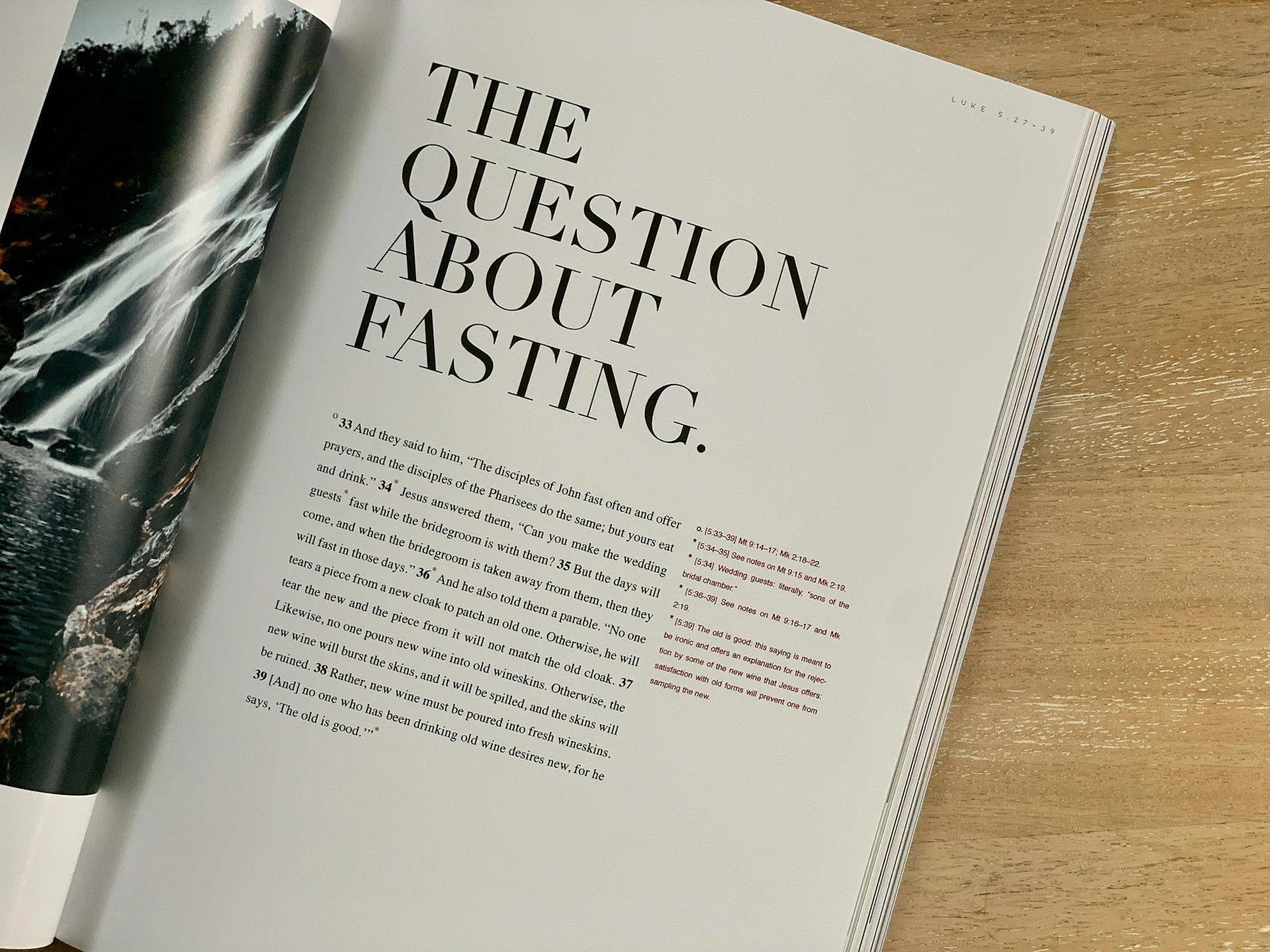
“When you fast, do not look somber as the hypocrites do, for they disfigure their faces to show men they are fasting. I tell you the truth, they have received their reward in full.” (Matthew 6:16 NIV84) [see full text in button/link below]
Why do people fast?
Fasting is an ancient practice often associated with religious beliefs. It’s when a person, perhaps a group of people, abstains from food for a period of time for a specific purpose.
Breakfast (break-fast) is the meal eaten in the morning after a night’s sleep when we go without food. Unless you eat midnight snacks or raid the fridge while others sleep. It is the literal opposite of fasting or not eating while asleep.
Fasting is not a new health trend like the current focus on intermittent fasting. I suppose all of us are fasting unintentionally when we pass up breakfast or any other meal to finish a project or work nonstop within a day or night, but intentional fasting is different. 1
Intentional fasting has a purpose. A person might fast as a personal sacrifice. Someone else may skip a meal or a series of meals in a time of devotion to God. Of course, some people skip meals to lose weight.
A popular trend in churches called the Daniel Fast reaches back to the time of Daniel the prophet and his three compatriots, who were exiled in ancient Babylon. These Jewish men didn’t want to defile themselves with the royal diet of various meats and wine. 2
As exiles in training to serve in Nebuchadnezzar’s service, they were expected to comply with all the preparations. The preparations included eating certain foods not allowed under the Mosaic Law. So, they asked for and were granted an exception to eat only vegetables and drink water (see Daniel 1:6-16).
Nowadays, a local church or group of churches commits to a Daniel fast for unity and devotion to God, for spiritual direction and blessing. Similar fasts offer people the flexibility to either skip a meal in a day or remove particular foods from their diet, in a similar way as people do when they observe the Lenten season. 3
The purpose of fasting may be different, but for most people, there is an expected or hoped-for outcome.
Insights
Fasting can also become a religious expectation. Many religious groups hold to some form of fasting regularly as a sign of commitment and devotion. This was true for the more devout Jews in the time of Jesus.
Sadly, it became more of a self-righteous activity for some Jews rather than personal devotion to God. While fasting, they made sure everyone knew of their religious devotion. They walked around with sad and contorted faces so others could see their self-righteous suffering for God.
Jesus called such people hypocrites. They played the part of religious devotees, but their hearts were far from God. They forfeited whatever reward they sought in favor of the recognition and praise of others.
Hypocritical religious devotion was not a new problem. Centuries before Jesus came, God rebuked His people for their misguided purpose in fasting. He rebuked them for their selfishness and false sense of righteousness (see Isaiah 58:1-5).
God spoke through the prophet Isaiah about what the Lord considered an acceptable purpose for fasting. He reminded them of God’s purpose for the Jews as His people. Then rebuked them for their self-righteousness and hardness of heart (see Isaiah 58:6-14).
God isn’t impressed with our attempts at being righteous, nor our self-focused purposes for fasting. The Lord has a different purpose for why we should fast. According to Isaiah 58, God’s desire is for our devotion to Him to lead to compassion for others.
We are to deny ourselves for His purposes.
True Religion
True religion and fasting. The direction Jesus gave for fasting was simple. When you fast, don’t be obvious about it. We are to appear the same to others while fasting as if we were eating our usual meals.
Fasting is a commitment we make between ourselves and the Lord. It could be for various reasons and done in different ways. God will honor our commitment to fast. It’s not a top-secret mission, but it is private in the sense of not being obvious about it with others.
I’ve fasted and prayed as I sought the Lord for specific direction, fresh vision, while working on a project, or preparing for some specific ministry. Each time, the Lord honored my commitment to Him in these experiences.
While pastoring, I set aside a few days in the autumn to pray and fast for fresh vision for the following year. I’d bring my guitar for times of worship, set aside specific times for prayer, brought a journal to write out ideas, thoughts, and vision for the future, along with some time to hike each day. I was alone with the Lord in all these things and wasn’t absorbed in the daily tasks of life, even mealtimes.
When I was asked to establish a Bible school in the Philippines, I didn’t answer yes or no until I had took time to pray and fast for the Lord’s direction. We had been living and serving in the Philippines for five years, so it would be a natural extension of the training of leaders I already did. But still, I wanted to hear from the Lord. I needed a witness of His Spirit to mine that this was His direction.
Since then, I’ve also joined fellow believers in a church-wide commitment to pray and fast. Sometimes we fasted at certain intervals throughout a day or week. At other times, it was for a set time and purpose in unity with others.
Some people get hung up on the privacy or secrecy of fasting, but that’s not much different from how hypocrites handle fasting. When the emphasis is on secrecy, we end up making it more about ourselves and the proper way to fast rather than setting aside food and time to seek the Lord.
When a church body commits to a time of prayer and fasting, its concern isn’t about secrecy among one another. This should be obvious. By the same token, we don’t need to announce it to others or make a public announcement so everyone else knows how spiritual and righteous we are or think we are.
Jesus made it clear. The purpose of fasting isn’t to be noticed by others but to trust the Lord with our commitment to deny ourselves and seek Him.
What if someone discovers we are fasting? Will we lose our reward? Don’t worry about it! The Lord knows our hearts, and He knows our motives and purpose for fasting. Trust in Him.
The Lord encouraged fasting, but not as a religious obligation nor to become more righteous. Fasting is a way of honoring the Lord as an expression of devotion to Him.
What is your experience with fasting?
How have you benefited from spiritually focused fasting?
Reflections for Prayer
Jesus made it clear. The purpose of fasting isn’t to be noticed by others but to trust the Lord with our commitment to deny ourselves and seek the Lord. Fasting is a commitment we make between ourselves and the Lord.
When you consider taking time to fast and pray, ask the Lord for wisdom and guidance. Ask for His help in keeping a clear sense of purpose, timing, and even how you commit to fast and pray. Above all, trust the Lord with your heart and mind, focused on Him and His purposes for your life.
Footnotes–
Rd, C. S. M. (2023, June 21). Pros and cons of intermittent fasting. Healthline. https://www.healthline.com/nutrition/6-ways-to-do-intermittent-fasting#section4
Transformed by his presence - Daniel Fast. (2025, July 25). Daniel Fast. https://www.daniel-fast.com/
Phillips, S. (2024, February 14). What Is Lent? It's Meaning, Importance, and Fasting Explained. Crosswalk.com. https://www.crosswalk.com/faith/spiritual-life/lent-101-honoring-the-sacrifice-of-jesus-1382259.html
This is an excerpt from a soon-to-be-published book called The Heart and Soul of God’s Kingdom. Look for it on Amazon with my other books— Trip Kimball on Amazon