

The Simple Summary and Bottom Line of All God's Law
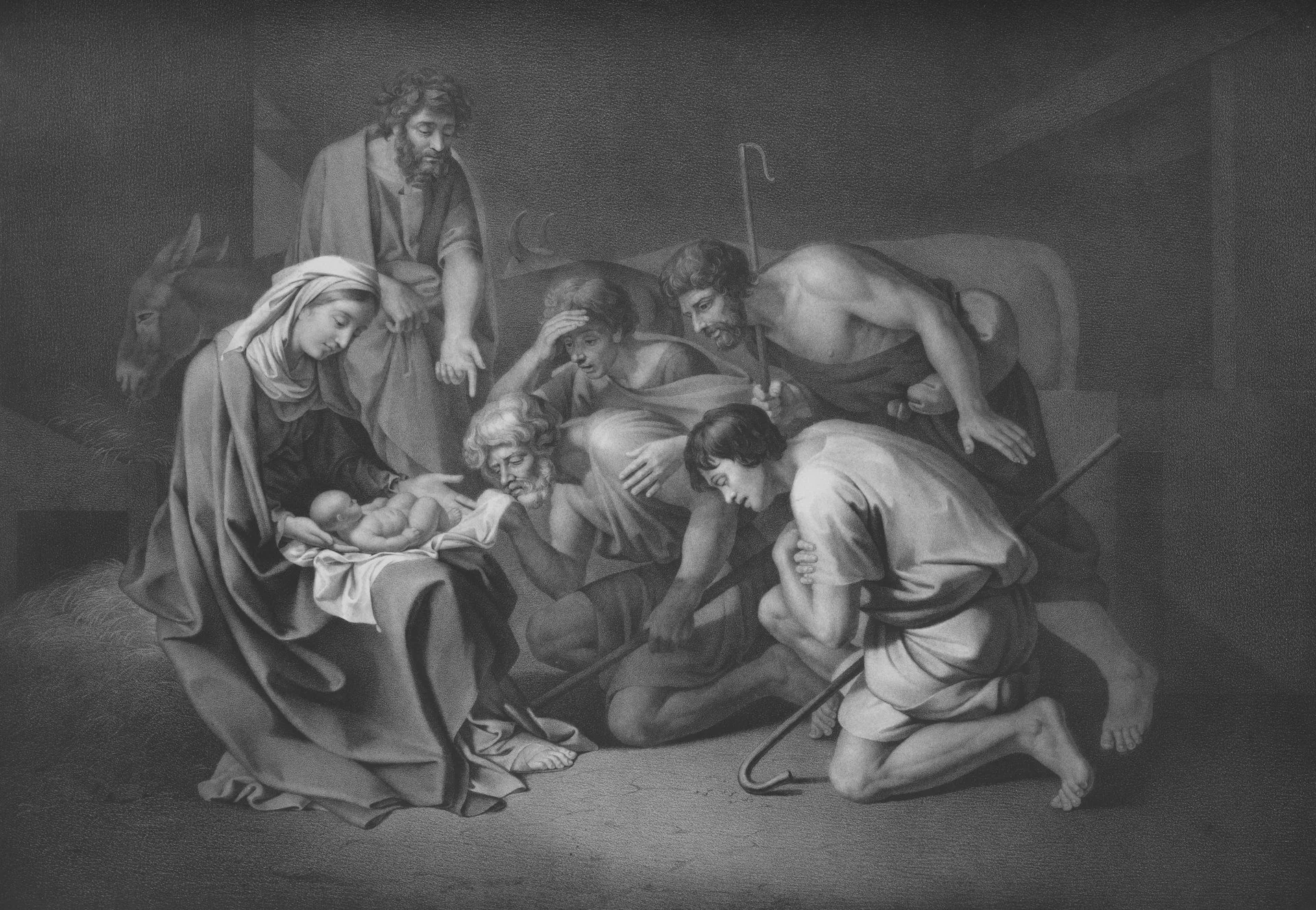
Photo by Vincetai on Flickr (All rights reserved)
“So in everything, do to others what you would have them do to you, for this sums up the Law and the Prophets.” (Matthew 7:12 NIV84) [see full text in button/link below]
The Golden Rule
How often have you heard the Golden Rule quoted or misquoted? Do you know what the Golden Rule is or where it originated? I’ve heard several variations of the Golden Rule, including some aberrant ones. One satirical version goes back to 1962 from a “Wizard of Id” comic strip, “Remember the Golden Rule! Whoever has the gold, makes the rules!” 1
The basic principle of the Golden Rule, unlike the example above, is the ethic of reciprocity. The Golden Rule can be expressed in both negative and positive ways. Don’t do to others what you wouldn’t want them to do to you. Or, do unto others as you would have them do unto you. 2
There’s even a platinum rule deemed greater than the Golden Rule. It’s a clever turn of words, more relevant to popular culture—treat others the way they want to be treated. This moves beyond the ethics of the Golden Rule to feelings and an emphasis on individual preferences. 3
In the ever-increasing postmodern mindset of our popular culture, the Golden Rule becomes—do no harm or hurt to others. As with the platinum rule, it’s a nice sentiment, but it lacks an ethical foundation. It’s a relative value rather than a constant, equal, or reciprocal morality.
This postmodern mindset crept into Christian beliefs. Sociologists Christian Smith and Melinda Lundquist Denton coined the term Moralistic Therapeutic Deism (MTD) in a 2005 book to describe the effects of postmodernism on orthodox Christian beliefs. MTD is a mix of deism, moral relativism, and pop psychology. 4
Here’s a simple summation of Moralistic Therapeutic Deism. It expresses a common cultural sentiment passed off as Christianity.
God exists and is available to help us when we need Him, so people should be good, nice, and fair to each other so everyone can be happy and feel good about themselves, and good people will go to heaven when they die.
I first came across the term Moralistic Therapeutic Deism (MTD) during our first year of transition back to our home culture from living overseas for fifteen years. This transition was especially difficult for me, more so than for my wife. One difficulty was reentering church fellowship here in the States. I sensed something had changed, but I couldn’t put my finger on what it was at first.
What I didn’t see was an emphasis on intentional, relational discipleship, which has always been a core element of my own relationship with the Lord and the ministry He called me to do. When I realized this lack of commitment to discipleship in the church at large, I began to realize how this vague, pseudo-Christian philosophy of MTD could develop. It is a very American cultural phenomenon. It suits our American individualism, but is antithetical to genuine Christianity.
How did we get there? I think that the philosophy of a universalized “golden rule” displaced the truth of the Gospel. This might seem paradoxical, but I believe it to be true. The truth of “deny yourself…” (see Matthew 16:24) was supplanted by people choosing their own truth. The truth they believed and chose to live by was a misinterpreted version of the Golden Rule.
But where did the Golden Rule originate? You might be surprised.
Insights
The simplest form of the Golden Rule, as stated by Jesus, is found in the Sermon on the Mount (Matthew 7:12) and in the Gospel of Luke.
“So in everything, do to others what you would have them do to you….” (Luke 6:31)
But the Golden Rule didn’t originate with Jesus. The gist of it existed in ancient times before the Lord’s life on earth. But Jesus, as He does so well, reframed the Golden Rule in correlation to God’s Kingdom. This maxim of reciprocal concern for others is found in almost every major religion and was included in a Declaration Toward a Global Ethic by 143 religious leaders in 1993. 5
The Golden Rule is not specifically a Christian idea nor exclusive to Judeo-Christian ethics. When a Gentile challenged a famous Jewish rabbi to briefly summarize the Law, Rabbi Hillel answered him this way in about AD 20 — “What is hateful to you, do not do to anyone else. This is the whole law; all the rest is commentary. Go and learn it.” 6
The Christian faith cannot be reduced to the Golden Rule, but the Law of Moses can.
A True Way of Life
When Jesus declared His summary of the Law and the Prophets, He expressed it in a positive rather than a negative ethic. Many people falsely describe Christianity as a bunch of do’s and don’ts or rules to abide by, and yet, the positive expression of the Golden Rule transcends religion and culture.
Many people who have read through the Mosaic Law in Exodus, Leviticus, and Deuteronomy find it boring and tedious. It can seem so unless you understand how radically different the moral, civil, and health guidance in the Law was in contrast to the idolatrous tribal peoples of the region of Canaan and the surrounding lands.
We need to keep in mind that Jesus, as the Messiah, would usher in a New Covenant greater than the original or Old Covenant God established with His people (see Hebrews 8:6-13).
As mentioned earlier, Jesus redefined the Law back to its intended essence by reframing certain parts this way: “You’ve heard that it was said… but I tell you….” Jesus begins to redefine the Law when He declares, “Do not think that I have come to abolish the Law or the Prophets; I have not come to abolish them but to fulfill them.” (Matthew 5:17)
Jesus brings His primary moral teaching of the Sermon on the Mount to a conclusion with the Golden Rule. In our pop-culture terms, we’d say this is His bottom-line summary of all the Law and the Prophets. It’s a very brief summary of centuries of teachings and exhortations.
When Jesus died upon the cross and rose from the dead, He canceled the condemning power of the Law for those who trusted in God by faith (see Romans 10:4; Colossians 2:13-15). Jesus fulfilled the Mosaic Law and Old Covenant through His death and resurrection, and He opened the door to a new way of life (see John 10:9-11; 14:6).
When someone trusts in Jesus and what He did upon the cross by faith, they will have the assurance of citizenship in God’s Kingdom and the promise of eternal life (see John 3:16).
How do you see the Golden Rule in effect in your life and in the lives of others?
Reflections for Prayer
The Golden Rule expresses the reciprocal ethic of doing unto others as we would have them do unto us. The Christian faith cannot be reduced to the Golden Rule. Jesus said it was a summary of the Law and the Prophets, and He fulfilled them by His death and resurrection.
When you find yourself being swept along by the cultural winds of moral relativism, you can ask the Lord to help you see how to abide by the Golden Rule in your relationships and interactions with others.
Footnotes–
Komlik, V. a. P. B. O. (2023, October 16). Remember the Golden Rule! Whoever has the gold, makes the rules! Economic Sociology & Political Economy. https://economicsociology.org/2015/08/28/remember-the-golden-rule-whoever-has-the-gold-makes-the-rules/
Understanding the golden rule. (n.d.). https://www.scarboromissions.ca/golden-rule/understanding-the-golden-rule
Colclough, C. (2024, March 21). What is the platinum rule? Platinum rule vs. golden rule. The Future World of Work. https://www.thefutureworldofwork.org/job/the-platinum-rule/
Mohler, R. A., Jr. (2005, April 18). Moralistic Therapeutic deism--the new American religion. The Christian Post. https://www.christianpost.com/news/moralistic-therapeutic-deism-the-new-american-religion.html
The Golden Rule | History Timeline. (n.d.). History Timelines. https://historytimelines.co/timeline/the-golden-rule
Global Ethic - Parliament of the World’s Religions. (n.d.). https://parliamentofreligions.org/globalethic/
Schwartz, A. (2025, May 13). The Times of Israel. https://blogs.timesofisrael.com/. Retrieved August 29, 2025, from https://blogs.timesofisrael.com/hillel-not-jesus-was-the-first-to-say-love-your-neighbor-as-yourself-is-the-whole-torah/
Also see the first entry for Matthew 7 in the Enduring Word commentary and the video listed below.
https://enduringword.com/bible-commentary/matthew-7/
Enduring Word. (2023, February 27). Enduring Word Bible Commentary Judging right – Matthew 7:1-2. https://enduringword.com/judging-right-matthew-7-1-2/
This is an excerpt from a recently published book called The Heart and Soul of God’s Kingdom. Look for it on Amazon with my other books— Trip Kimball on Amazon
And you can also see some of my writing over on Substack too! Just click this link– Trip Kimball on Substack