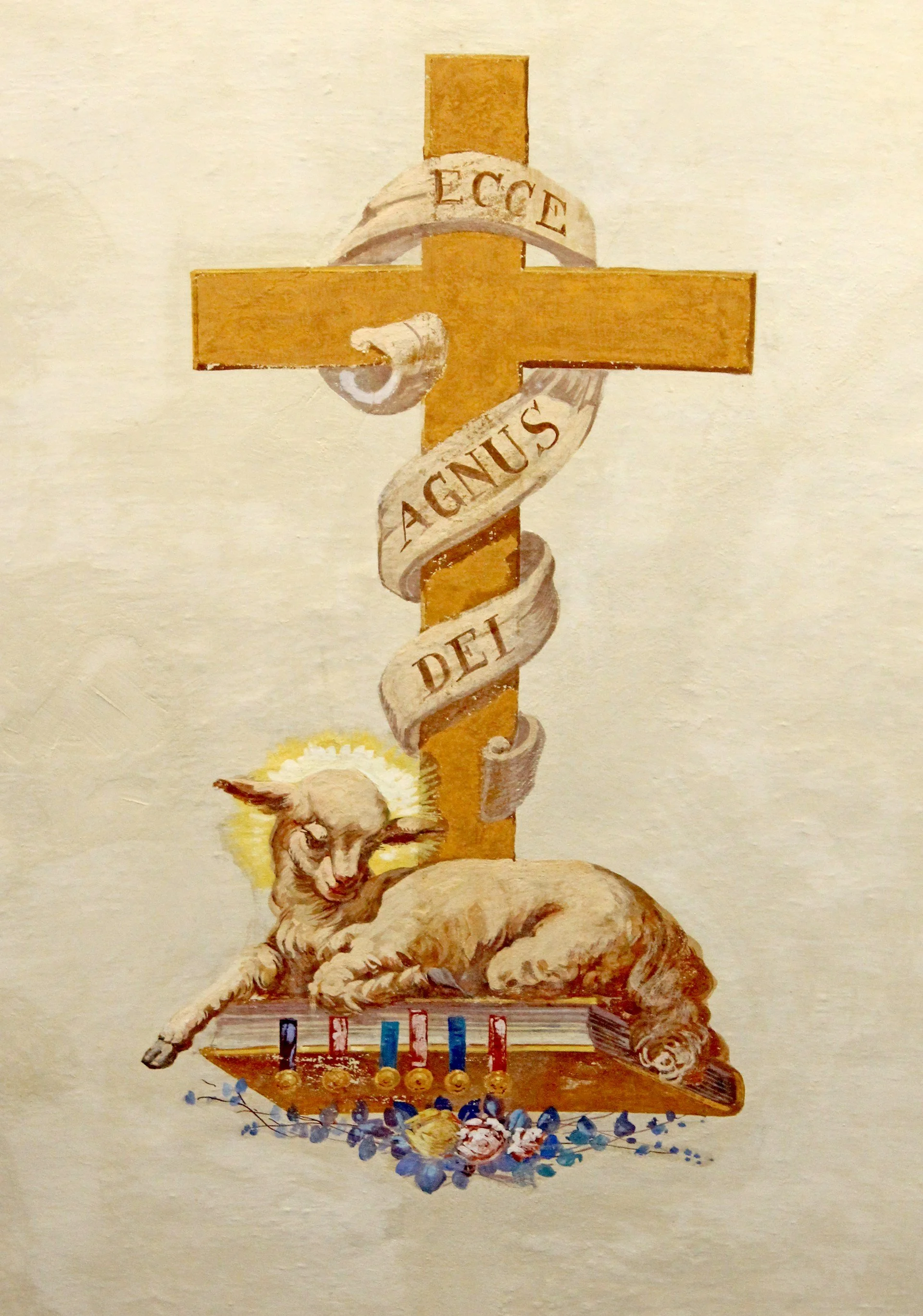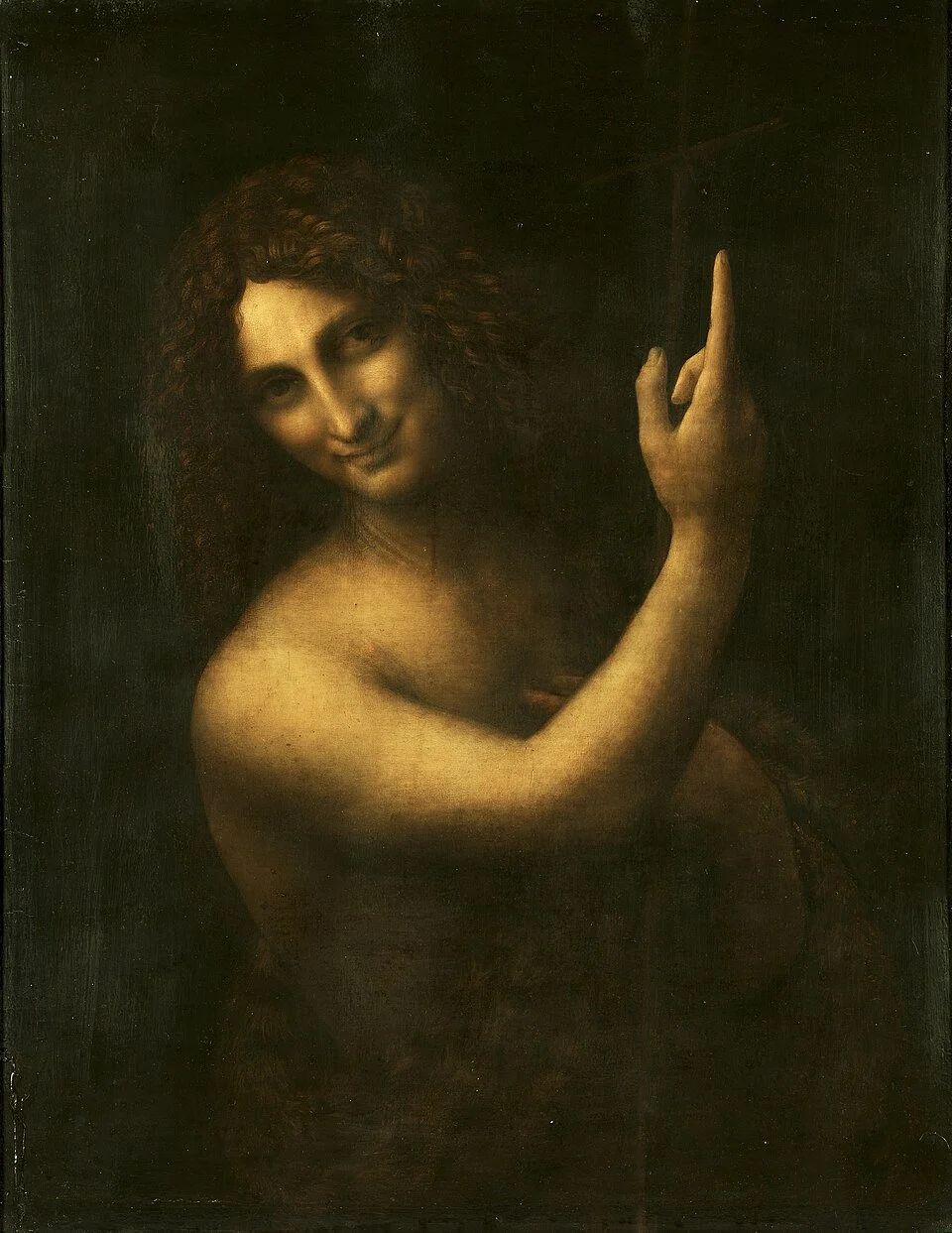
A Voice in the Desert
Photo by Lautaro Chamo on Unsplash
The prophet of God
What makes a person a prophet of God? Personality? Character? Their message? Those may be indicators, but there's only one true requirement—a calling from God.
I know people who consider themselves prophets and people others claim are prophets. But my question is often—Is this God's calling or a title they've taken on for themselves? Is the title given to them by others?
John the Baptizer had a unique personality, a godly and strong character, and a clear, specific message. But what made John a true prophet was God's calling. It was announced before his birth (see Luke 1:11-17) and confirmed by the Lord after his prophetic ministry (see Luke 7:24-28).
The Gospel of John gives us insight into the early days of who the Lord is and His public ministry. John’s gospel account fills in some blanks not found in the other Gospels, especially about John. We see His character and calling displayed.
John the Baptizer knew who he was, his message, and his ministry. John was the voice of God to the people of Israel. He was a voice in the desert wilderness, preparing the way for the long-awaited Messiah. The prophet Isaiah foretold his ministry centuries before John came.
A voice cries out in the desert: “Clear a way for the Lord. Make a straight highway in the wilderness for our God.
Every valley will be raised. Every mountain and hill will be lowered. Steep places will be made level. Rough places will be made smooth. Then the Lord’s glory will be revealed and all people will see it together. The Lord has spoken.” (Isaiah 40:3-5 GW)
John was a powerful figure in real life, and Jesus later testified to his greatness as a prophet. But he knew his role was secondary to the One of whom he spoke. The Apostle John tells us more about this in a later chapter. For now, consider John’s message to those who asked him about himself.
Scripture
This was John’s answer when the Jews sent priests and Levites from Jerusalem to ask him, “Who are you?” John didn’t refuse to answer. He told them clearly, “I’m not the Messiah.”
They asked him, “Well, are you Elijah?” John answered, “No, I’m not.” Then they asked, “Are you the prophet?” John replied, “No.”
So they asked him, “Who are you? Tell us so that we can take an answer back to those who sent us. What do you say about yourself?”
John said, “I’m a voice crying out in the desert, ‘Make the way for the Lord straight,’ as the prophet Isaiah said.” [vss 19-23]
Some of those who had been sent were Pharisees. They asked John, “Why do you baptize if you’re not the Messiah or Elijah or the prophet?”
John answered them, “I baptize with water. Someone you don’t know is standing among you. He’s the one who comes after me. I am not worthy to untie his sandal strap.” This happened in Bethany on the east side of the Jordan River, where John was baptizing. [vss 24-28]
(John 1:19-28 GW) [Context– John 1]
Key phrase—
“I’m a voice crying out in the desert, ‘Make the way for the Lord straight’."
Reflections...
In the time of Jesus, the Jewish people were expecting the Messiah to come and deliver them from the Roman Empire. Their expectation of the Messiah was for a military leader, such as the celebrated King David or one of the judges who governed Israel following Joshua. They also hoped for someone like King Solomon who would raise Israel to a wealthy, powerful nation-state.
Numerous prophecies across many centuries promised the coming of the Messiah. Messiah was referred to as “the prophet” (see Deuteronomy 18:15, 18) who would be preceded by Elijah the prophet (see Malachi 4:5). Jesus told his disciples that John was the Elijah to come (see Matthew 17:11-13).
John knew who he was, his message, and his mission. He had a very specific purpose and role in his life—one God gave him. You might think you don’t have a significant purpose in life, but all of us have some purpose in God's Kingdom as His children.
We need to know who we are in God's kingdom regardless of our roles in life. We have one message to proclaim—the gospel of the Kingdom of God. All believers have one mission—to share this message of God's redemption with others throughout the world (Luke 24:45-49).
Digging Deeper...
What does John say about himself when asked who he is? Who does he say he is not?
How does John describe himself? How was this a prophecy in itself?
What do the Pharisees question John about? Why do you think they do this?
How does John answer their question, and who do you think he refers to in his answer?
Taking it to heart...
Why do you think the Jewish leaders challenged John after questioning him?
Do you think John fulfilled the prophecy given by Isaiah? If so, in what way?
If John refers to Jesus coming after him, why do you think he didn't think himself worthy to untie his sandals?
What did you learn from John’s story that relates to your life and relationship with the Lord?
Personalize it...
Do you understand who you are and what your purpose is in God's kingdom?
If you're not sure about your purpose in God's kingdom, ask Him to make it known to you. If you are sure, ask God's help to fulfill this purpose in your daily life.